
Pregnancy after loss is a struggle I never wanted
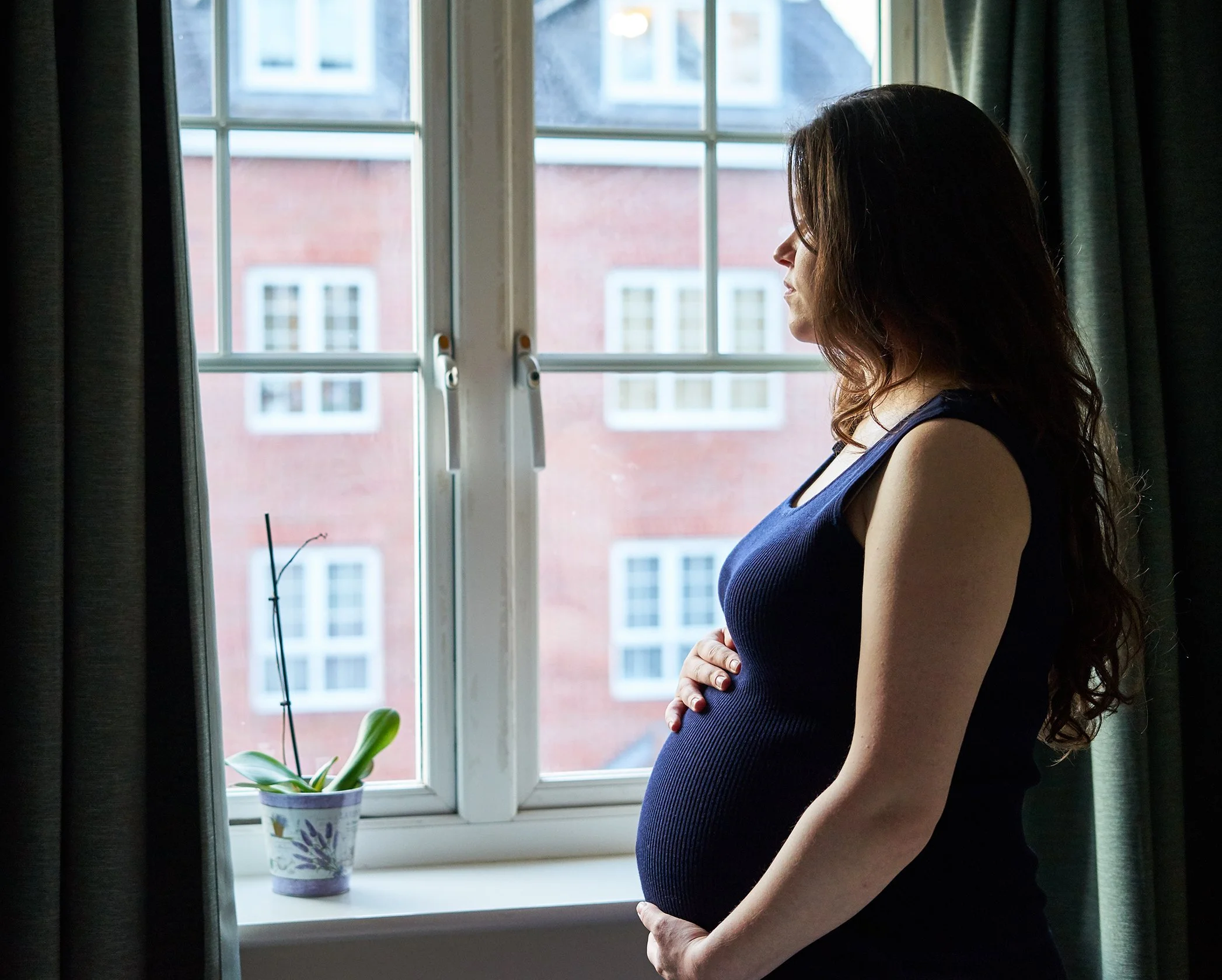
Holding Both: The Complex Emotional Rollercoaster of Pregnancy After Loss
When those two lines appear on a pregnancy test after a previous miscarriage, stillbirth, or infant loss, the feeling is rarely pure, unadulterated joy. For many women, it is an immediate, crashing wave of fear, anxiety, and a complex, confusing mix of grief and hope.
This is pregnancy after loss (PAL)—often called a "rainbow baby" pregnancy. While the term implies the sunshine after the storm, the reality is that the storm often lingers, casting shadows on what society expects to be a "happy time."
If you are currently navigating this, please hear this: Your feelings are valid. You are not broken. You are simply traversing a path that is incredibly difficult.
Here is a look into the mental and emotional struggles women face during a pregnancy after loss, and how to hold space for both grief and hope.
1. The "Other Shoe" Syndrome (Overwhelming Anxiety)
After losing a pregnancy, the naive confidence that "everything will be fine" is shattered. It is replaced by a high-alert, protective state.
The Struggle: Every cramp, every change in symptoms, or even the lack of symptoms can cause panic. Routine prenatal appointments become terrifying, as you brace yourself for bad news.
The Reality: Studies show that 75-85% of parents navigating pregnancy after loss report significant anxiety.
2. The Guilt of Moving Forward
Surprisingly, many women experience intense guilt.
The Struggle: Loving this new baby feels like a betrayal of the one who was lost. You may fear that allowing yourself to get excited or to buy baby items means you are "forgetting" your previous child.
The Reality: Allowing yourself to honor your grief while accepting the new pregnancy is not about forgetting; it is about honoring both babies.
3. Disconnection as Protection (Attachment Challenges)
Many mothers find themselves subconsciously refusing to attach to the new pregnancy, at least in the early months.
The Struggle: It feels unsafe to love this baby, because "what if" it happens again? You might find yourself avoiding looking at ultrasound photos, or keeping your maternity clothes packed away until the third trimester.
The Reality: This "emotional cushioning" is a natural defense mechanism designed to protect your heart from a repeat of devastating grief.
4. Loss of Trust in Your Body
After a loss, many women experience a disconnect from their own bodies, feeling as though their body "failed" them.
The Struggle: Instead of appreciating the wonder of pregnancy, you might feel anger or suspicion toward your body, treating it as a "trauma site" rather than a nurturing home.
5. Social Isolation and "Invisible Grief"
Because this pregnancy is "what you wanted," well-meaning friends and family may expect you to be over the moon.
The Struggle: You may feel you cannot share your fears because people say things like, "At least you are pregnant again!". This creates a deep sense of loneliness, as you feel you must hide your fear to appear grateful.
How to Navigate the Journey: A Guide to Self-Compassion
If you are struggling with these emotions, here are some ways to cope:
Acknowledge All Your Emotions: It is okay to be excited and terrified at the same time. You do not have to pick one.
Set Boundaries with Your Body: If you are "checking" (looking for spotting, obsessively feeling for symptoms), try to limit it. If you need to stay in bed and rest to feel safe, do it.
Create Rituals of Remembrance: Honor your previous baby to ease the guilt of moving forward. Light a candle, buy a special keepsake, or speak their name.
Find Your "Tribe": Seek out online or local support groups for pregnancy after loss. Speaking with people who truly understand makes a world of difference.
Advocate for More Care: Do not be afraid to ask your obstetrician for extra, non-urgent reassurance scans. A compassionate provider will understand.
Be Kind to Yourself: There is no "right" way to do this. Some days you will feel hopeful, other days you will feel drowning in fear. Both are allowed.
To the woman pregnant after loss: Your heart is vast enough to hold both the love for the baby you are carrying and the love for the baby you are missing. Take it one day—one hour—at a time.