
Breast or bottle dilemma
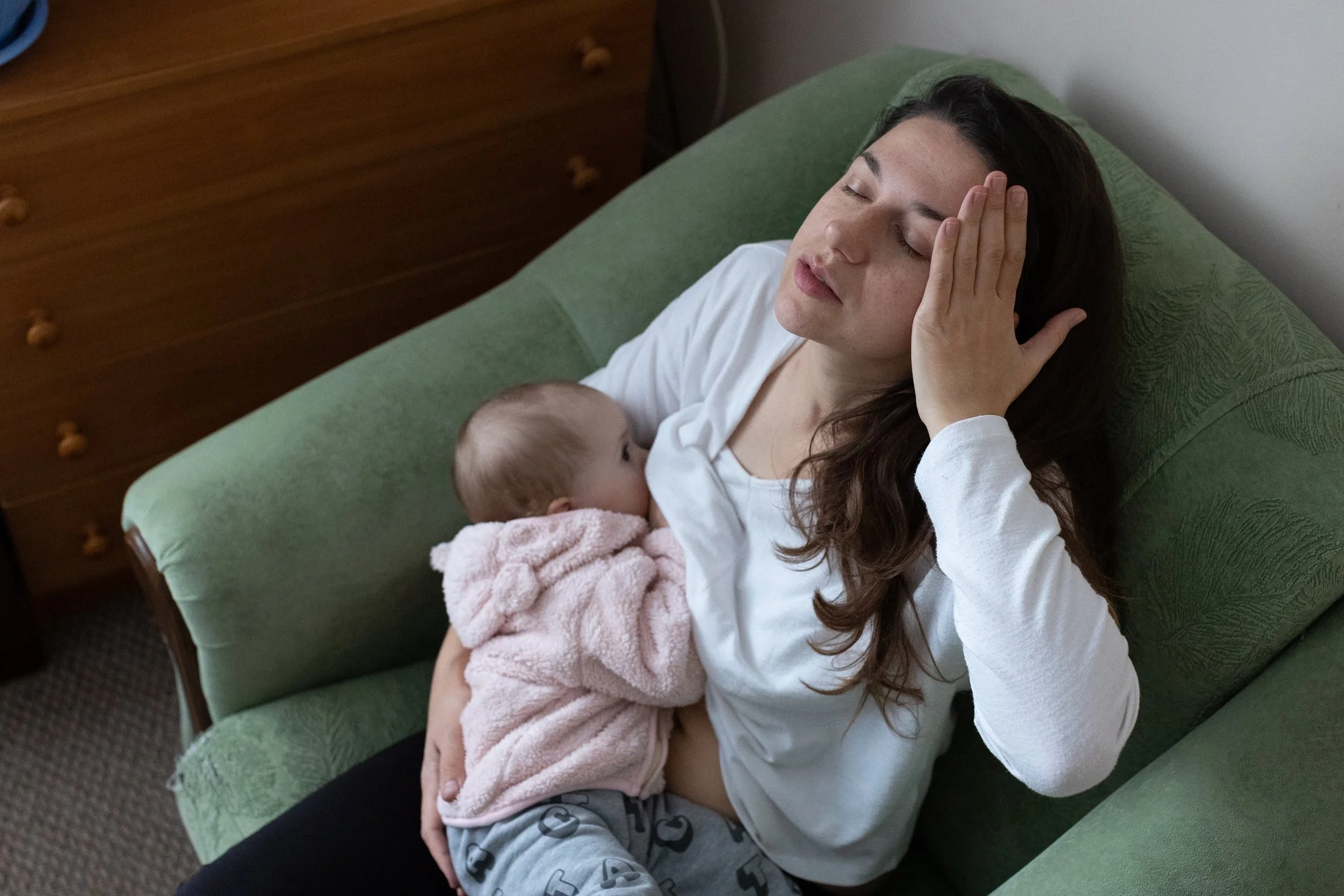
The Hidden Pressures of Breastfeeding
Many mothers feel that if they don’t breastfeed, they are failing before they have even started. This pressure often comes from public health messaging, cultural expectations, or even well-meaning relatives, causing mothers to feel shame or guilt if they struggle or choose not to. This pressure is strongly linked to higher rates of postnatal depression, anxiety, and trauma.
The Reality of Breastfeeding Challenges
Breastfeeding is often marketed as a simple, natural act, but for many, it is not easy. Common, valid reasons for struggling include:
Severe Pain: Sore, cracked nipples or engorgement.
Physical Issues: Inverted nipples, blocked ducts, or Mastitis.
Low Milk Supply: Genuine concerns about not producing enough, often causing intense stress.
Baby-Related Issues: Tongue-ties or difficulty with latching.
Medical Necessities: Infants in the NICU or mothers needing medications that are not safe while breastfeeding.
The Mental Health Impact: A Two-Way Street
Positive Impacts: For those who find it rewarding, breastfeeding can foster bonding and release oxytocin, aiding emotional recovery.
Negative Impacts: When breastfeeding becomes a source of pain or stress, it can lead to intense feelings of failure, anxiety, and depression. The rigid, 24/7 nature of feeding can cause severe sleep deprivation and feelings of losing one’s identity.
Mixed Feeding: A Valid Compromise
You do not have to choose between 100% breastfeeding and 100% formula. Mixed feeding—using formula for some feeds and breastmilk for others—is a fantastic option to alleviate pressure. It allows for:
Support System Involvement: Partners or family can take over feedings, allowing the mother to rest.
Flexibility: Easier to manage work or lifestyle needs.
Reduced Pressure: Takes the pressure off low milk supply issues.
Support for Formula Feeding
Formula feeding is a safe and medically sound way to nourish your baby. If breastfeeding isn't working for your physical or mental health, formula feeding is not a failure; it is a proactive step to ensure both you and your baby are happy and thriving. You deserve support, not judgment, for making this choice.
Conclusion: A Healthy Mom is What’s "Best"
The ultimate goal is a healthy, happy, well-supported family. If breastfeeding brings joy, pursue it. If it brings pain, guilt, and mental distress, it is okay to stop. Support for a mother’s choice—whatever it may be—is the best care for both parent and child.